

altinpelid Coffee Logo altinpelid Contact Us
Menu
Contact Us
Coffee Education

Single-Origin Beans and Flavor Profiles

Discover how geography, altitude, and processing shape the taste of specialty coffee. Learn to identify flavor notes that make Turkish single-origin beans unique.

10 min read Intermediate April 2026
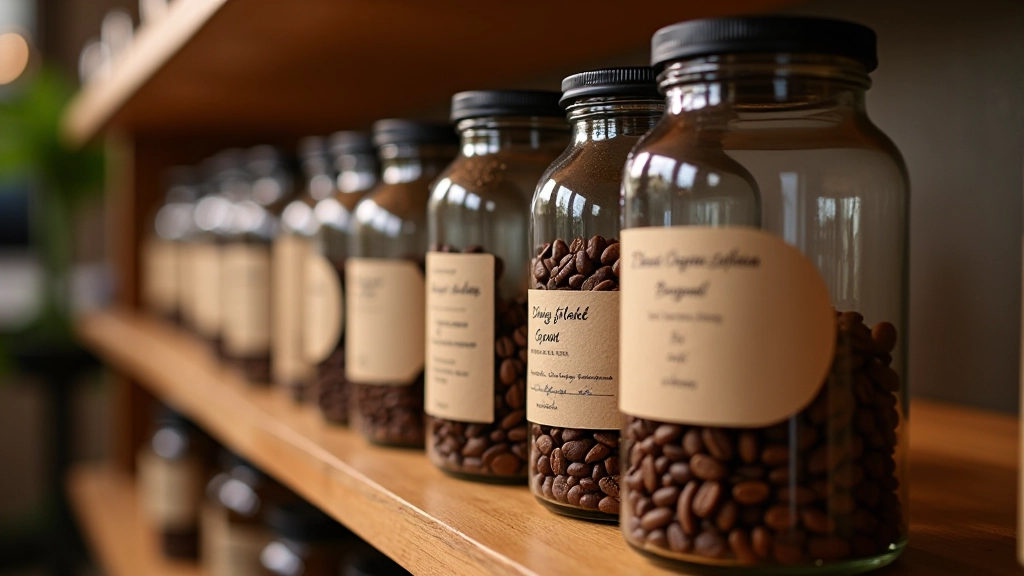
Selection of single-origin coffee beans in glass jars displayed at specialty roastery with labels showing origin countries and elevation details
Emre Kaya, Senior Coffee Culture & Lifestyle Correspondent

By Emre Kaya

Senior Coffee Culture & Lifestyle Correspondent

Coffee specialist and cultural journalist documenting Turkey's specialty coffee renaissance across Istanbul, Ankara, and Izmir with 12 years of hands-on experience.

When you pick up a bag of Ethiopian Yirgacheffe at a third-wave café in Istanbul, you're holding something remarkable. That coffee tastes nothing like beans from Colombia or Kenya. It's not magic — it's geography. Origin matters more than most people realize. The soil, the altitude, the rainfall patterns, even the way farmers process their harvest. All of it gets locked into those beans waiting to be brewed.

Understanding single-origin coffees transforms how you taste. Suddenly you're not just drinking coffee. You're experiencing a place. You're tasting the work of farmers who've been growing coffee for generations. That's what specialty coffee is really about — tracing flavor back to its source.

What Makes Origin So Important

Think of coffee origin like wine terroir. The word "terroir" comes from the French word "terre," meaning earth. It's the idea that where grapes grow determines their flavor. Same concept applies to coffee. A bean grown at 1,800 meters in the mountains tastes completely different from one grown at 600 meters in the valleys.

Altitude is huge. Higher elevations mean cooler temperatures, slower cherry ripening, and denser beans. Denser beans develop more complex sugars and acids. That's why high-altitude coffees taste bright and complex. Lower elevations produce faster-ripening cherries with less complexity — but that doesn't mean they're bad. They're just different. Some Turkish roasters prefer them because they're forgiving and clean.

Soil composition matters too. Volcanic soil adds minerals. Rich, dark earth contributes earthiness. Sandy soil produces lighter, crisper coffees. The climate — dry seasons, wet seasons, total annual rainfall — all influence how the coffee cherry develops. You can't separate the bean from its birthplace.
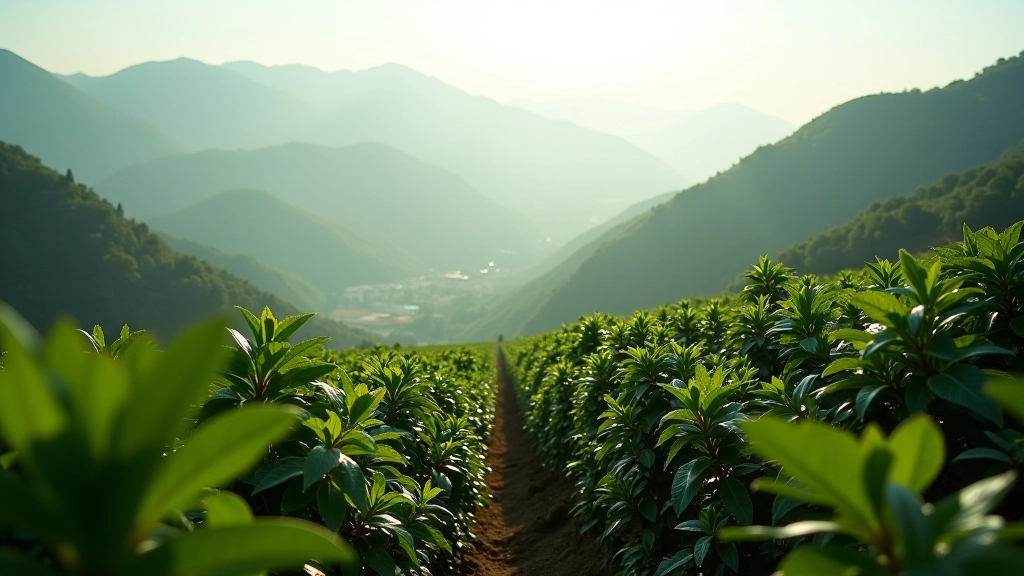
Mountain coffee plantation at high altitude with coffee plants in rows on misty slopes and morning light breaking through clouds
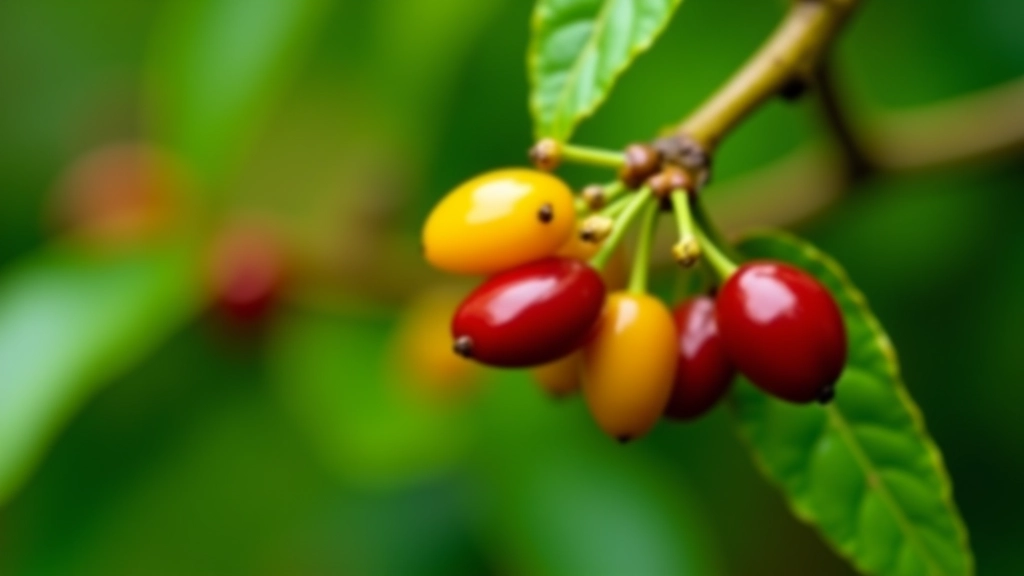
Close-up of coffee cherries in various stages of ripeness on coffee plant branches with green leaves and afternoon light

Processing Methods Change Everything

Here's what most people don't realize: the same exact bean processed two different ways tastes like completely different coffees. Processing is where farmers make decisions that shape flavor dramatically.

Washed processing is the most common. Farmers ferment the cherry, wash away the fruit, dry the bean. You get clarity. Brightness. The coffee's origin characteristics come through clean. Ethiopian washed coffees are known for floral, fruity notes. That's the washed process doing its job — highlighting what's already there.

Natural processing is different. Farmers dry the whole cherry in the sun for weeks. The fruit ferments right onto the bean. Natural processed coffees taste fruitier, wilder, sometimes almost wine-like. They're heavier-bodied. A natural processed Ethiopian tastes more like blueberry than the clean, tea-like washed version. Turkish specialty cafés are experimenting more with natural processed beans because they pair beautifully with the thick, rich milk drinks we love.

Key Processing Types

  • Washed: Clean, bright, origin-forward. Most common globally.
  • Natural: Fruity, full-bodied, fermented sweetness.
  • Honey/Pulped Natural: Middle ground. Some fruit contact, cleaner finish.

Learning to Taste Flavor Notes

When a café menu says "Ethiopian Yirgacheffe — notes of blueberry, bergamot, and jasmine," what does that actually mean? It doesn't mean blueberries were added. It means the coffee's flavor compounds create sensations similar to those things. Your brain recognizes patterns. Coffee contains hundreds of flavor compounds. When you smell jasmine, then smell that coffee, your brain makes the connection.

Tasting notes aren't marketing fluff. They're a vocabulary. Without them, how do you describe what you're experiencing? You need words. The industry settled on fruit, flower, spice, chocolate, and earth notes because those are flavors everyone recognizes.

Here's how to practice. Pick a single-origin coffee. Smell it dry. Smell it as it brews. Taste it hot, then as it cools. Notice what changes. One moment it tastes like cocoa, the next like citrus. That's not the coffee changing — it's your palate warming up, different compounds becoming apparent at different temperatures. Write down what you notice. Don't worry about being right. Your experience is valid.

Hand holding coffee cup with steam rising, specialty café background blurred, warm natural light from window
Specialty coffee roastery with roasting equipment and bags of single-origin beans organized on shelves with origin labels visible

Single-Origins in Turkish Specialty Cafés

Turkey's specialty coffee scene is young compared to Europe or North America. But it's growing fast. Istanbul, Ankara, and Izmir now have roasteries dedicated to single-origin beans. These aren't instant coffee people. These are craftspeople who care about sourcing, processing, roasting profiles.

You'll notice Turkish roasters favor certain origins. Kenyan coffees show up constantly because they're bright, tea-like, almost spicy. Perfect for the Turkish palate that appreciates bold flavor. Ethiopian naturals work too — that fruitiness complements Turkish coffee culture's love of sweetness and intensity. Brazilian beans are popular for espresso blends. Colombians for filter coffee. Each origin serves a purpose.

The best part? You can visit these roasteries. Watch beans roasting. Ask the roaster about their sourcing. Most Turkish specialty roasters are genuinely passionate. They'll spend 20 minutes explaining why they chose that particular Ethiopian farmer over three others. That's the real experience — direct connection between you and the people who source and roast.

About This Guide

This article is educational information about specialty coffee origins, processing, and tasting. Flavor experiences are subjective and vary by individual taste preferences, palate sensitivity, and brewing method. Information provided represents general industry knowledge and personal observation. Coffee preferences, brewing techniques, and flavor perception differ across regions, cultures, and individuals. Always explore and experiment with coffees you enjoy.

Your Single-Origin Journey Starts Now

Single-origin coffees aren't pretentious. They're not expensive just to be expensive. They're a gateway to understanding coffee deeply. Next time you're at a specialty café in Istanbul or Ankara, ask for a single-origin recommendation. Tell them what you usually drink. They'll guide you. Try a pour-over if you normally drink espresso. Notice the differences. Taste it at different temperatures. Write down what you notice.

That's how you develop taste. Not through reading articles. Through actual experience. Through mistakes. Through discovering you actually love that earthy, funky natural processed coffee you thought you'd hate. The journey matters more than the destination.