
Comparing Flat White, Cortado, and Cold Brew
What's the actual difference? We break down milk ratios, brewing times, and when to order each drink at Turkish specialty cafés.


Walk into any specialty café in Istanbul and you'll see the same question on every menu: flat white, cortado, or cold brew? They're all espresso-based, they're all got milk (well, except the cold brew), but they're absolutely not the same drink. The differences matter — especially if you're the kind of person who actually cares what's in your cup.
Here's what you need to know: the three drinks represent different philosophies about how coffee and milk should interact. It's not just about ratios (though that's part of it). It's about texture, temperature, and the actual experience you're getting. We'll break down exactly what separates them, so next time you're at your favorite café in Ankara or Izmir, you'll order with confidence.

The Flat White: Velvety and Dense
A flat white is where espresso meets microfoam — and that's the whole point. You're getting one shot of espresso (sometimes two in Turkish versions) combined with steamed milk that's been texturized until it's smooth, velvety, and almost glossy. We're talking about milk that's been steamed for a specific technique: hot air is introduced at the surface, creating tiny bubbles, then the pitcher's tip is submerged to heat the rest while the bubbles continue developing.
The ratio matters here. Most flat whites sit around 1 part espresso to 3-4 parts milk. That's roughly 30-40ml of espresso with 120-160ml of steamed milk. You're getting coffee flavor that's still prominent, but it's cushioned by milk. The microfoam creates this signature velvety texture — not thick like a cappuccino, not thin like a latte. It's distinctive.
Temperature matters: A proper flat white should be served at around 65-70°C. Any hotter and you're just drinking scalding milk.


The Cortado: Equal and Balanced
"Cortado" literally means "cut" in Spanish — and that's exactly what it is. You're cutting the espresso with an equal amount of steamed milk. Nothing fancy. The ratio is 1:1. If you've got 30ml of espresso, you add 30ml of steamed milk. Done.
This is where things get interesting for coffee lovers. You're getting a real taste of the espresso — the acidity, the complexity, whatever characteristics that particular roast has. But it's not harsh because the milk rounds it out. There's minimal microfoam, which means you're not getting the velvety texture of a flat white. Instead, you're getting something more direct, more honest.
Turkish specialty cafés often serve cortados in small glasses, which makes sense given the small size. You're looking at around 60ml total — 30ml espresso plus 30ml steamed milk. It's quick. It's intense without being overwhelming. Perfect if you want to taste the coffee but don't want to commit to a double shot of straight espresso.
Cold Brew: Low Acid, High Patience
Cold brew isn't espresso-based. That's the fundamental difference. You're steeping coarse coffee grounds in cold water for 12-24 hours. No heat, no pressure, just time. The result is a concentrate that's naturally smoother, less acidic, and sometimes a bit sweeter than hot-brewed coffee.
The brewing method changes everything. Hot water extracts acids and oils quickly. Cold water extracts them slowly and selectively, leaving behind a different chemical profile. Cold brew typically has about 60% less acid than hot coffee. If you've got a sensitive stomach or just prefer less acidity, this is your drink.
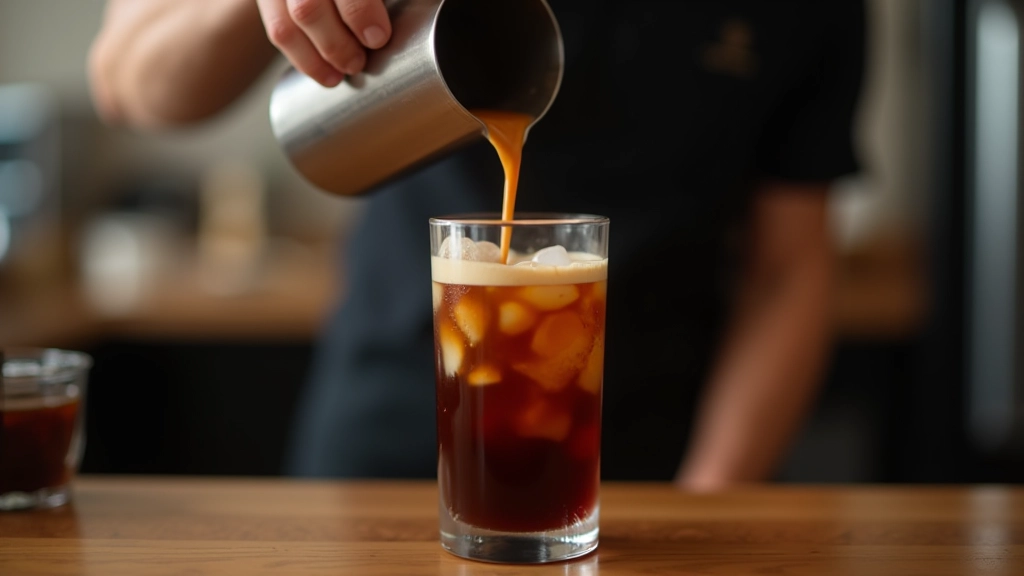
When you order cold brew at a Turkish café, you're usually getting the concentrate poured over ice with milk or water added. The ratio varies — some places go 1 part concentrate to 3 parts milk, others do 1:2. There's no microfoam, no steaming involved. It's simple, refreshing, and completely different from the milk-based espresso drinks.
Pro tip: Cold brew concentrate can be made days in advance. Many specialty cafés prepare their concentrate fresh weekly, which means consistency in every cup.
Quick Comparison: Which One Should You Order?
Flat White
- Best for: Velvety texture and milk-forward drinks
- Milk ratio: 1 espresso to 3-4 milk
- Taste profile: Smooth, balanced, espresso present
- Temperature: 65-70°C
- Preparation time: 2-3 minutes
Cortado
- Best for: Tasting the actual espresso
- Milk ratio: 1 espresso to 1 milk (equal)
- Taste profile: Bold, less foam, direct flavor
- Temperature: 65-70°C
- Preparation time: 2 minutes
Cold Brew
- Best for: Low acid, refreshing, stomach-friendly
- Milk ratio: Variable (1:2 to 1:3)
- Taste profile: Smooth, sweet, low acidity
- Temperature: Served cold over ice
- Preparation time: Seconds (concentrate ready)
How to Order Like You Know What You're Doing
Most Turkish specialty cafés will have all three drinks on their menu. When you're ordering, don't just point at the name. Ask about the milk ratio if you want something specific. A good barista won't mind — they'll probably appreciate that you're actually thinking about what you're drinking.
If you're unsure, start with a flat white. It's forgiving. You get espresso flavor but it's cushioned by milk. If that feels too milky next time, try a cortado. And if you want something completely different — something refreshing on a warm Istanbul afternoon — go for cold brew.
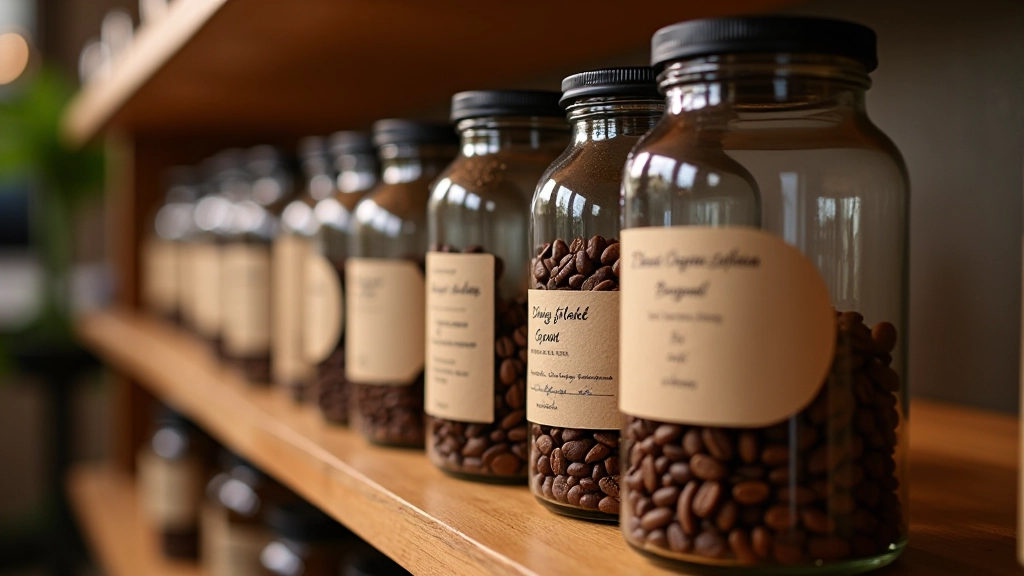
One more thing: don't be afraid to ask which single-origin bean they're using. Third-wave cafés take this seriously. They'll tell you the origin, the altitude, the processing method. That information matters because it changes the taste profile of every drink. A natural-processed Ethiopian bean in a flat white tastes completely different from a washed Kenyan in the same drink.

A Note on Coffee Preferences
Coffee is subjective. What we've described here are the standard definitions and typical preparation methods used in specialty coffee culture. Your local café might make these drinks slightly differently — that's fine. Some places prefer more milk, some less. Some use double shots where we mentioned single. The fundamentals remain the same, but execution varies. These guides are educational and based on third-wave coffee standards. If your favorite café makes their cortado with a 1:2 ratio instead of 1:1, that's their choice. What matters is whether you enjoy what's in your cup.
The Takeaway
The differences between flat white, cortado, and cold brew aren't trivial. They represent different brewing philosophies, different milk techniques, and different flavor profiles. Understanding them means you can actually choose the drink that fits what you're in the mood for — whether that's velvety texture, bold espresso, or refreshing smoothness.
Next time you're at a specialty café in Istanbul, Ankara, or Izmir, you'll know exactly what you're ordering. And that makes the whole experience better.